Per-Kaare Holdal
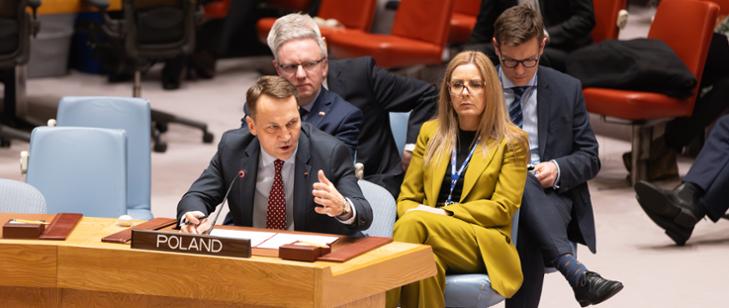 On Friday, 23 February 2024, Minister of Foreign Affairs of Poland Radosław Sikorski delivered a speech at the UN Security Council.
On Friday, 23 February 2024, Minister of Foreign Affairs of Poland Radosław Sikorski delivered a speech at the UN Security Council.
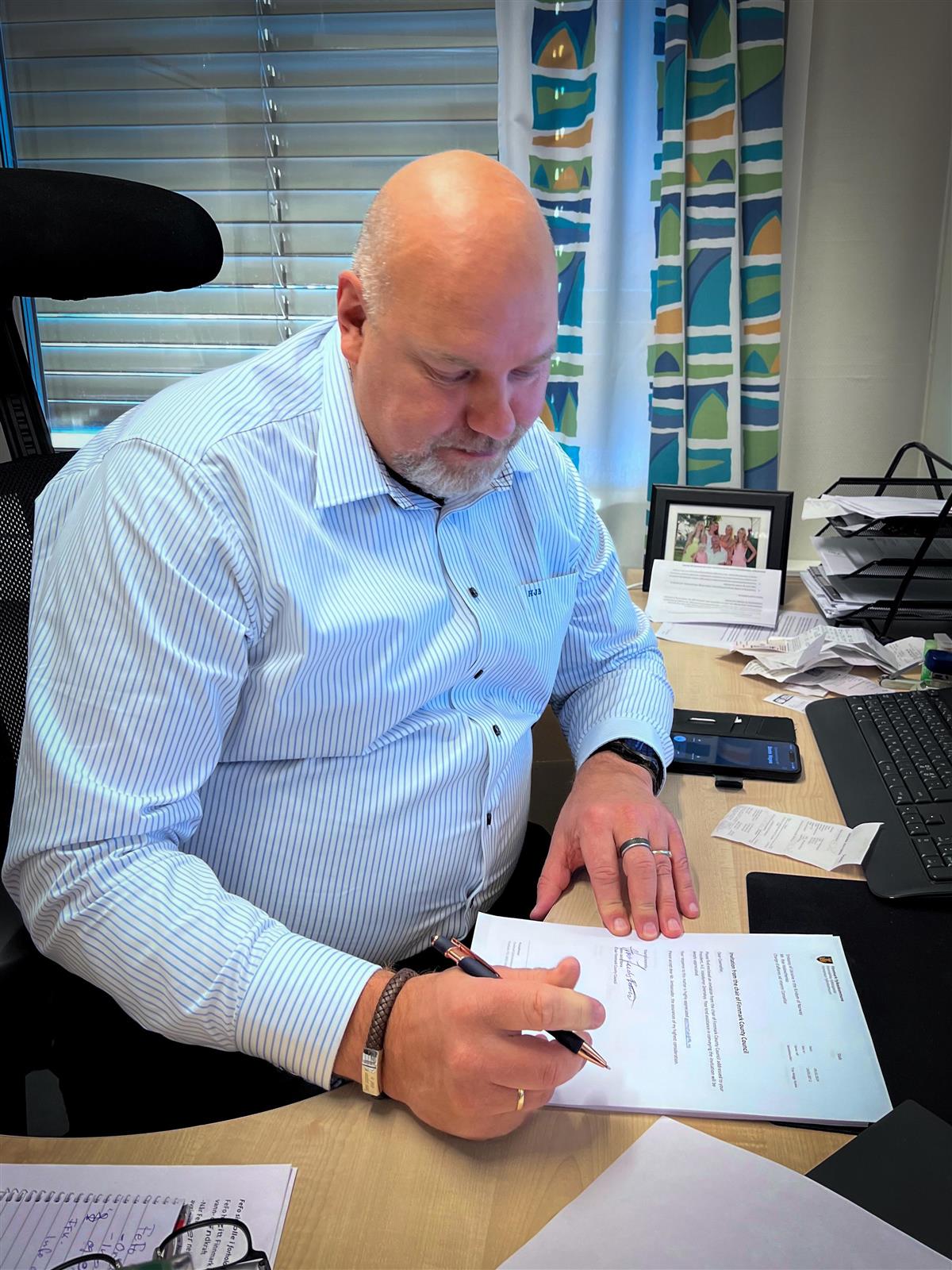
19 February 2024 at 07:30 Have sent an invitation to the President of Ukraine Volodymyr Zelensky, President of Ukraine, has been invited to the 80th anniversary of the liberation of Eastern Finnmark. Finnmark County Council confirms this in a press release.
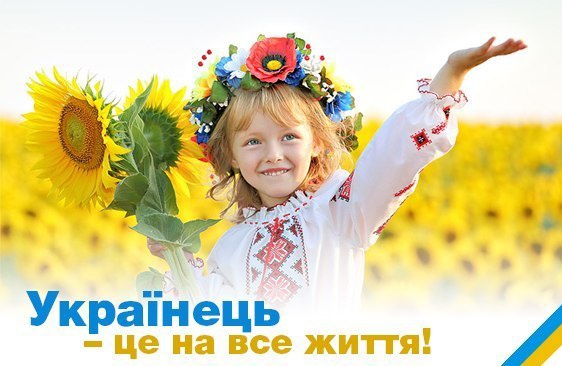 Ukraine's road to democracy and freedom has been a long and brutal struggle. For more than 100 years they have been fighting for freedom. Now is the struggle for freedom more brutal than ever, and never before has Ukraine been more dependent on the civilized free world.
To the members of the Norwegian Parliament
A seminar was organized at Lyngdal Town Hall organized by Ukraine House in Norway and Support to the people of Ukraine. Participants were Lyngdal municipality with mayor Unni Nilsen Husøy and Farsund municipality's mayor Ingrid Merethe Williamsen. Thanks to committed mayors 💙💛
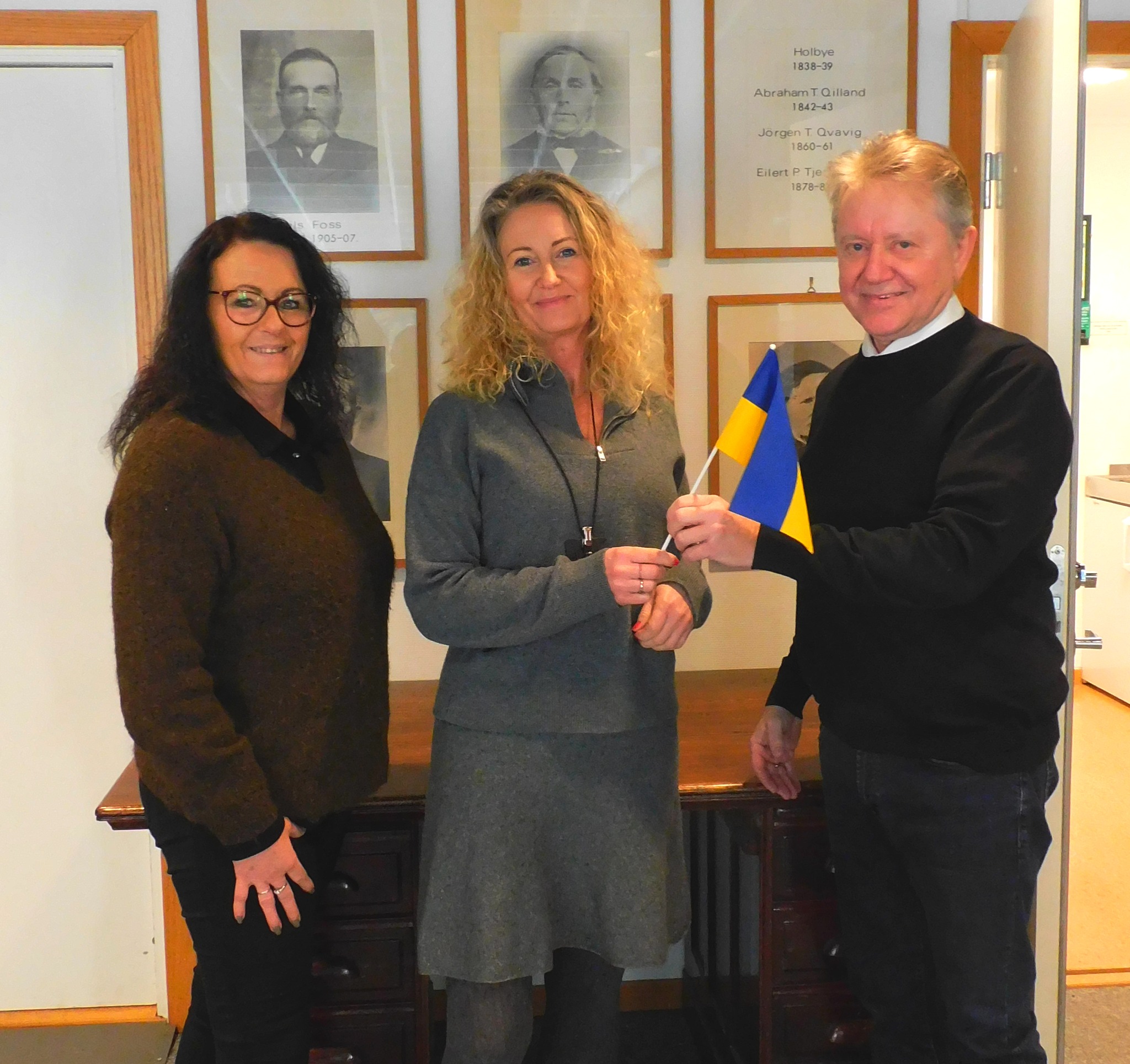 Per-Kaare Holdal, member of the board, welcomes the mayor of Lyngdal, Unni Nilsen Husøy, and the mayor of Farsund, Ingrid Merethe Williamsen to the seminar.
The same night and in the morning hours, before the seminar, hospitals, schools and private homes were affected by Russian war crimes.
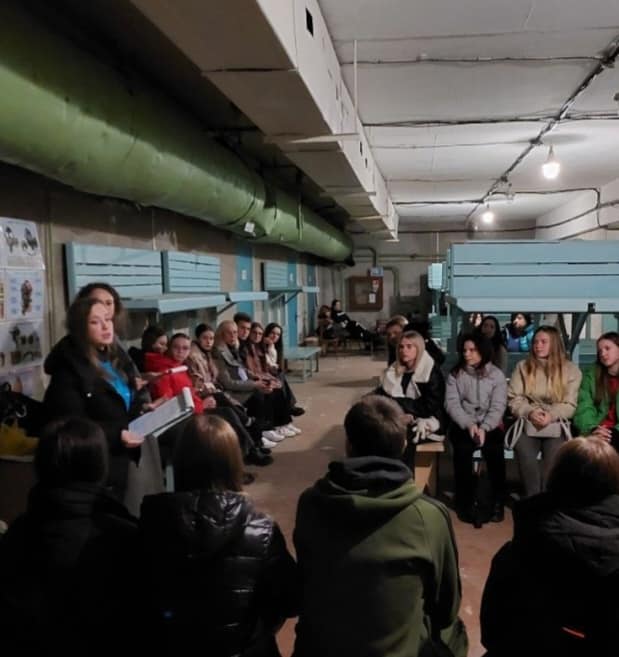
Teaching also often has to take place in bomb rooms.
Support to the People of Ukraine is an independent and non-profit organisation that takes care of children who lost one or both parents in the war. Currently, many do not have the opportunity to attend school face-to-face, so they need simple laptops or tablets.